

Hi, I’m Michael
I’m a careers coach and mentor. I have a Professional Certificate in Executive Coaching from Henley Business School, I am certified with the International Coaching Federation, and I am a member of the Association for Coaching, .
Before that, I spent thirty-five years as an economist and public policy evaluator, at the Institute for Fiscal Studies, HM Treasury and other government departments, Deloitte and, finally, the International Monetary Fund in Washington. If you’d like to know more about that career, take a look at my LinkedIn profile. What follows is about how I came to coaching, and why I do it.
How I came to coaching
My first encounter with coaching came in 2004. I was 39 and had recently been promoted into a role that left me feeling completely out of my depth. My employer offered access to a coach, and after two who didn't feel quite right, I met Richard. We worked together for fifteen years, through three different jobs. He began by helping me find my feet with some basics, such as managing my diary and setting boundaries with my team. He went on to help me through a series of professional and personal challenges, always with curiosity, empathy and insight, and always committed to helping me work out the way forward for myself. It was a relationship that changed my life.
The second half
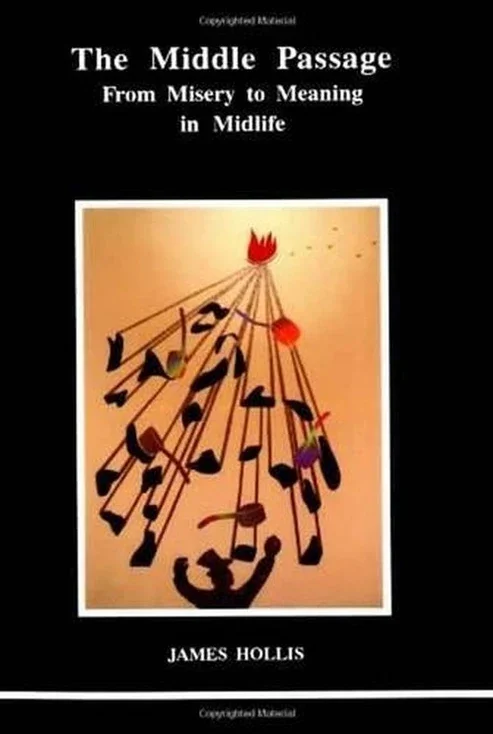
Around the time I turned fifty, a friend lent me James Hollis’s The Middle Passage: From Misery to Meaning. It was one of those books you underline on every page and return to more than once. It put words to something I had sensed for a while without acknowledging it: that the career which had shaped so much of who I was would not be enough for the rest of my life.
It took another six years, and a second coach, before it became clear that coaching should be what came next. In 2023 I left the IMF, closing a thirty-five-year career, and a few months later began training as a coach. So I know from the inside what it is to leave an institution that had shaped how I saw myself, and how long the uncertain middle of that kind of change can last.
Why coaching?
I chose coaching for three reasons. First, I had experienced first-hand what a good coach could do. Second, when I looked back on what I had found most fulfilling in my career, it was helping more junior colleagues develop, and by sharing a sense of the absurd with like-minded colleagues, helping them and me get through the strains and absurdities of working life. And third, I was drawn to work that would use the full range of my experience while teaching me to trust my intuition. After decades of work that relied on analysis, that felt liberating.
Alongside the coaching
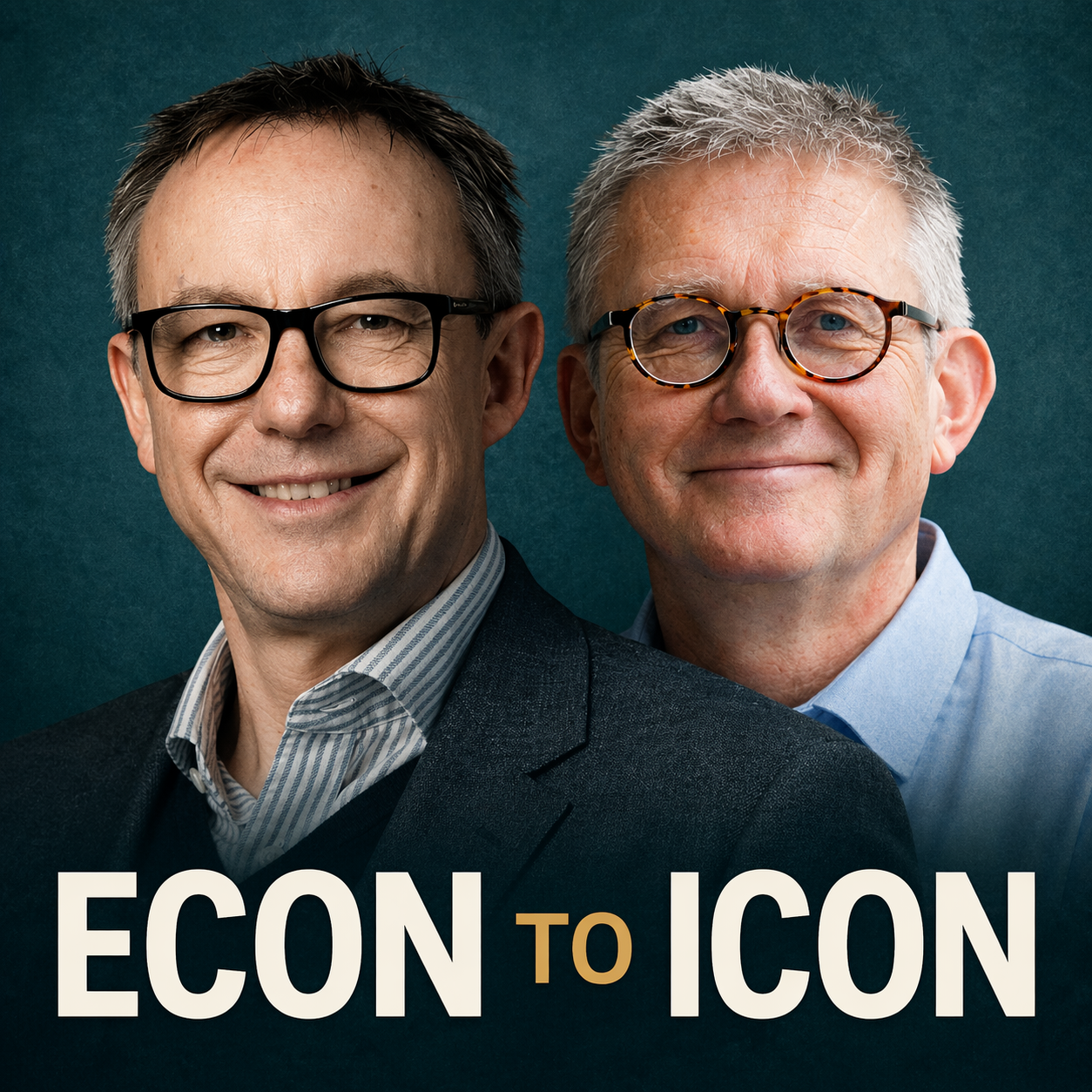
With Paul Johnson, former Director of the Institute for Fiscal Studies, I host a podcast in which leading economists talk about how their careers actually unfolded.
And I have a long-standing meditation practice which continues to shape how I listen and engage in my coaching work.